
Brown rice, also known as unpolished rice, is a type of rice in which only the husk is removed while the germ and bran layers remain intact. As a whole grain, brown rice is highly nutritious, containing significantly higher levels of dietary fiber, phytic acid, vitamin E, B vitamins, and gamma-aminobutyric acid (GABA) than conventionally milled white rice.
However, due to its darker color and firmer texture, brown rice is generally less popular than white rice. Germinated brown rice, commonly known as GABA rice, is produced by soaking brown rice under appropriate temperature and time conditions to induce germination. The germination process enhances the nutritional components naturally present in brown rice, including lysine, vitamin E, vitamin B1, vitamin B6, magnesium, calcium, and iron. Most notably, the content of γ-aminobutyric acid (GABA) increases significantly—up to ten times higher than in polished white rice and four times higher than in ordinary brown rice. For this reason, germinated brown rice is often referred to as GABA rice.
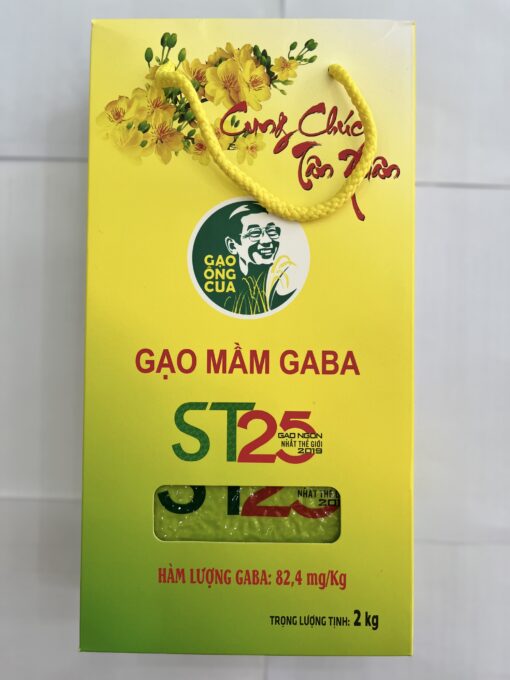
Figure 1. ST25 Germinated Brown Rice (GABA Rice)
Health Benefits of GABA Rice
GABA is a naturally occurring neurotransmitter amino acid that plays an important role in regulating blood pressure, enhancing brain metabolism, and preventing hormonal imbalances associated with aging and menopause. It also contributes to improving sleep quality, reducing memory loss, alleviating cognitive disorders, and supporting patients suffering from Alzheimer's disease.
In addition, germinated brown rice contains γ-oryzanol, a ferulic acid derivative with antioxidant properties that helps prevent skin aging and regulate blood cholesterol levels.
Besides its nutritional advantages, GABA rice is easier to cook than conventional brown rice and possesses a mildly sweet flavor resulting from enzymatic activities that convert starches and proteins during germination.
Despite its numerous benefits, the commercial development of GABA rice remains relatively limited worldwide. Even in Thailand, often regarded as one of the world's leading rice-producing countries, large-scale GABA rice production has not yet become widespread. Research efforts have primarily been conducted at Kasetsart University and Chiang Mai University. In 2007, Thai researchers developed a simple method for producing germinated rice by soaking brown rice in water at temperatures ranging from 35°C to 40°C for 18–20 hours.
Research Background
Vietnam is one of the world's leading producers of rice and agricultural commodities. However, the quality and diversity of value-added products derived from agricultural materials remain relatively limited, and their market value is often lower than comparable international products.
Although several studies on GABA rice production technologies have been conducted worldwide, the reported results vary considerably due to differences in rice varieties, cultivation regions, soaking conditions, germination techniques, and processing parameters.
Therefore, this study was conducted to develop a production process for GABA rice using Vietnamese brown rice varieties, with the objective of obtaining a high-quality product with enhanced nutritional value.
Proposed Production Process
The proposed processing sequence is as follows:
Brown Rice → Soaking → Germination → Drying → Sieving → Packaging → Final Product
Soaking
The soaking process activates enzymes that are initially in a dormant state. This activation initiates metabolic processes within the rice embryo and prepares the grain for germination.
Germination
During germination, metabolic activities intensify, leading to the development and growth of sprouts while promoting the accumulation of beneficial bioactive compounds, including GABA.
Drying
After germination, the rice is dried to reduce its moisture content to below 13% (w/w). This step deactivates metabolic enzymes and ensures the stability and storability of the product.
Sieving and Packaging
The dried rice is sieved to remove broken grains before being packaged and stored under appropriate conditions.
The processing parameters in this proposed technology were systematically investigated to determine the optimal conditions for producing germinated rice from selected Vietnamese brown rice varieties. Furthermore, the accumulation of GABA throughout the production process was monitored to ensure the nutritional quality of the final product.
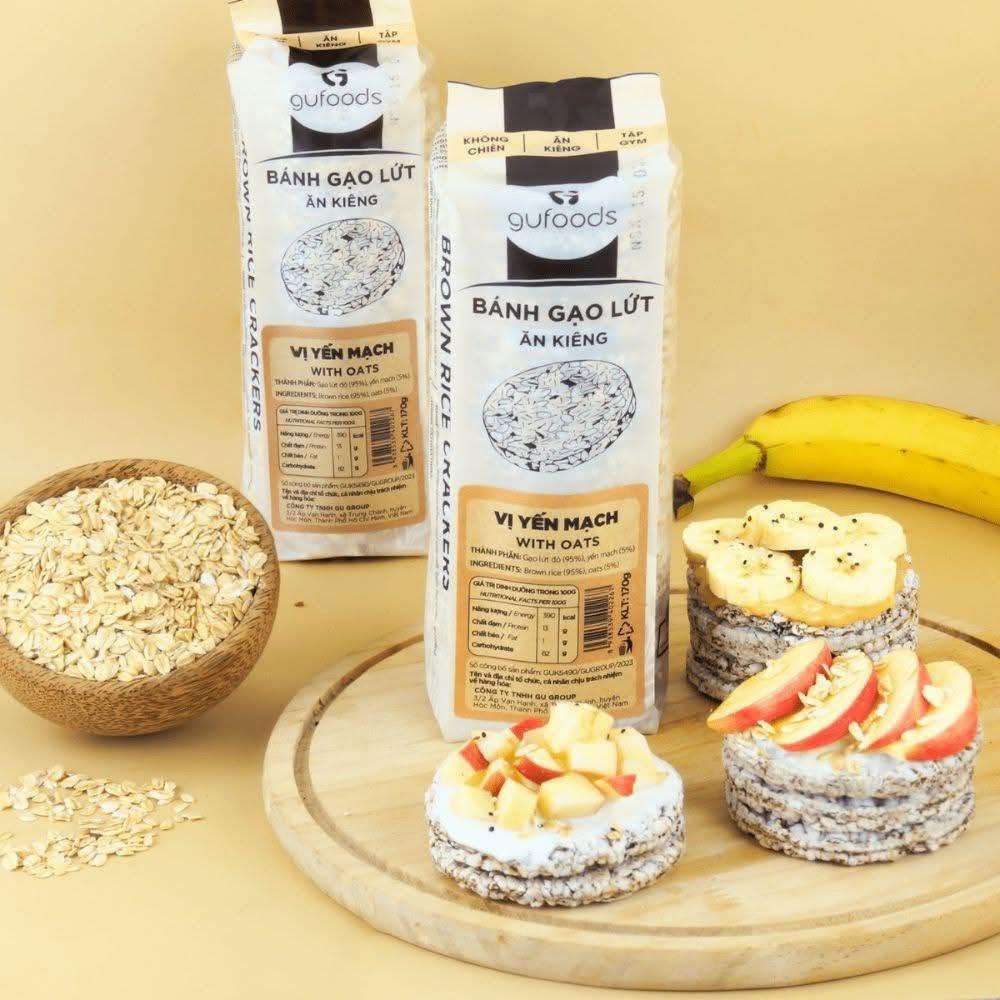
Figure 2. Brown Rice Cake
Research Findings
The study confirmed that high-quality GABA rice can be successfully produced from two Vietnamese brown rice varieties: Jasmine and Huyet Rong (Red Rice).
The optimal production process was determined as follows:
- Soak brown rice in water at pH 6.0 and 30°C for 20 hours.
- Germinate the rice at 35°C with aeration:
- 36 hours for Jasmine rice.
- 42 hours for Huyet Rong rice.
- Dry the germinated rice at 60°C for 18 hours.
- Sieve to remove broken grains.
- Package the product under vacuum conditions for storage.
The resulting germinated rice achieved a GABA content exceeding 140 ppm, indicating a significant enhancement of nutritional value.
Significance and Application Potential
The findings of this study demonstrate the feasibility of producing GABA rice from Vietnamese brown rice varieties using a scientifically optimized process. The technology offers considerable practical significance and strong potential for commercial application.
By creating high-value nutritional rice products with enhanced health benefits, this research contributes to diversifying Vietnam's rice industry, increasing the value of domestic agricultural products, and meeting the growing consumer demand for functional foods and health-promoting products in both domestic and international markets.
Ngày đăng: 03-06-2026
Tác giả: Trung tâm ứng dụng