
Have you ever considered that crop protection can be achieved without relying on harmful chemical pesticides? In modern agriculture, the green fungus Metarhizium is emerging as an effective biological ally that not only controls insect pests efficiently but is also environmentally friendly. This biological control agent represents a promising pathway toward sustainable agriculture in the future.
1. What is Metarhizium Green Fungus?
Metarhizium green fungus (Metarhizium anisopliae) is an entomopathogenic fungus that specifically infects and causes diseases in insects. It was first discovered by the scientist Metchnikoff in 1879. Today, the two most commonly used species are Metarhizium anisopliae and Metarhizium flavoviride.
One of the most remarkable characteristics of Metarhizium is its ability to infect more than 200 species of insect pests affecting crops. Importantly, the fungus is completely safe for humans, livestock, and beneficial organisms. It leaves no toxic residues in the environment, making it a highly sustainable and eco-friendly biological solution.
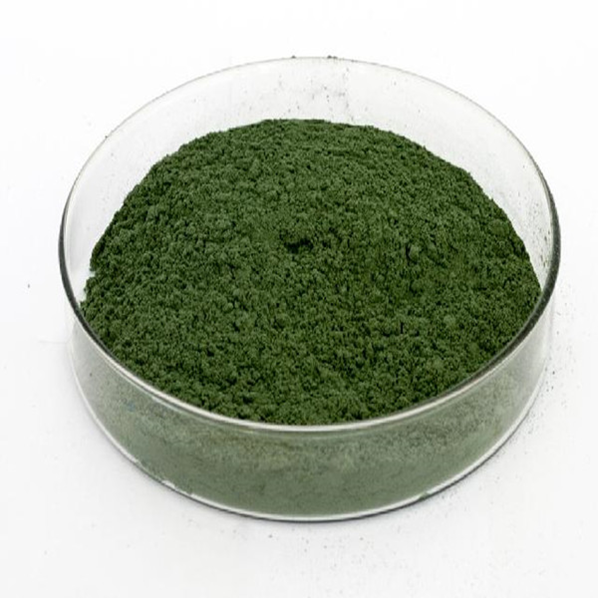
Key Biological Characteristics
- Possesses a distinctive green color with dense mycelial growth and highly branched conidiophores.
- Spores are cylindrical or oval-shaped, measuring approximately 3.5–6.4 μm and typically formed in chains.
- Thrives under natural conditions, especially in environments with high humidity.
- Can parasitize numerous insect species, including brown planthoppers, stink bugs, caterpillars, grasshoppers, and many other agricultural pests.
2. Infection Mechanism of Metarhizium Green Fungus
Metarhizium kills insects through a unique biological process that ensures effective pest control while minimizing negative impacts on the ecosystem.
The infection process occurs through the following stages:
Attachment to the Insect Body
When fungal spores come into contact with the insect cuticle, they quickly adhere to the surface. In response to this invasion, the insect secretes melanic acid as a defense mechanism, causing its outer shell to gradually turn brown.
Germination and Penetration
The spores germinate and produce germ tubes while secreting enzymes such as lipase, protease, and chitinase. These enzymes break down the chitin and wax layers of the insect cuticle, allowing the fungus to penetrate into the insect's body.
Growth and Immune Evasion
After penetration, the fungus rapidly proliferates within the insect's hemocoel (body cavity). To avoid the host's immune response, it:
- Forms individual hyphal bodies that minimize immune activation.
- Produces destruxin toxins, which damage immune cells.
- Develops in a wall-less protoplasmic form, making it difficult for the host to recognize.
Killing the Host
The fungus continues to grow and gradually replaces the tissues and organs of the insect. At this stage, infected insects exhibit symptoms such as convulsions, loss of mobility, and progressive weakening.
Sporulation and Dissemination
After the insect dies, the body dries out and becomes covered with fungal mycelia. New spores develop both inside and outside the insect cadaver, ready to spread and infect other susceptible hosts.
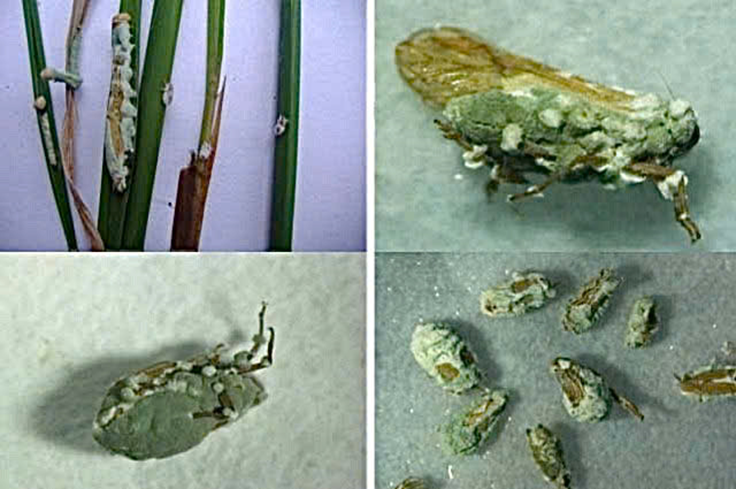
3. Signs of Insects Infected by Metarhizium
Observing infection symptoms helps assess the effectiveness of biological pest control measures.
Changes in Body Color
Infected insects often turn brown or black due to the production of melanic acid as a defensive response.
Reduced Activity
The destruxin toxins cause convulsions, paralysis, and impaired movement.
Nervous System Disorders
Insects may exhibit spasms, abnormal movement patterns, or loss of coordination.
Dry and Rigid Bodies Covered with Fungal Growth
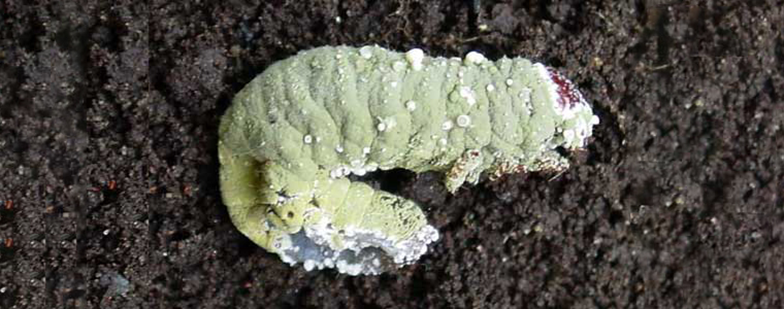
After death, insect cadavers become covered with green or white fungal growth, which is the most recognizable sign of infection.
4. Benefits of Metarhizium in Agricultural Production
Effective Control of Various Insect Pests
Metarhizium effectively controls brown planthoppers, stink bugs, coconut beetles, grasshoppers, loopers, armyworms, diamondback moths, cutworms, leaf rollers, aphids, mites, and many other agricultural pests.
Environmentally and Health-Friendly
The use of Metarhizium significantly reduces dependence on chemical pesticides, thereby minimizing contamination of soil, water, and air.
Protection of Beneficial Organisms
The fungus does not harm beneficial insects and natural enemies, helping maintain ecological balance in agricultural ecosystems.
Cost Savings
It lowers pest management costs and reduces the risk of pesticide resistance among pest populations.
Long-Term Effectiveness
Metarhizium can survive in the environment, providing extended suppression of pest populations over time.
5. Frequently Asked Questions
Can Metarhizium be used on fruit trees and citrus crops?
Yes. Metarhizium has been successfully applied to a wide range of crops, including fruit trees and citrus orchards.
Is Metarhizium truly safe for the environment?
Absolutely. It is a natural biological control agent that poses no harm to humans, livestock, or beneficial organisms.
How long does it take for Metarhizium to kill insects?
The period from infection to insect death is typically about 5–7 days, depending on the insect species and environmental conditions.
Conclusion
With its outstanding effectiveness, affordability, and environmental friendliness, Metarhizium green fungus is becoming a reliable choice for sustainable agriculture. If you are looking for a safe biological solution to protect your crops, Metarhizium is undoubtedly an option worth serious consideration.
Ngày đăng: 09-04-2026
Tác giả: Trung tâm ứng dụng