
Freeze-drying technology, also known as lyophilization, has emerged as an important solution for small- and medium-scale food processing enterprises, particularly in the deep processing of distinctive agricultural products from localities and cities.
According to market reports, the global freeze-dried food market is experiencing rapid growth, driven by increasing consumer demand for convenient, nutritious, clean-label products containing few or no additives.
Today's consumers prioritize products that are convenient, ready-to-use, have a long shelf life, and contain minimal chemical preservatives. Freeze-drying technology effectively meets these requirements because it preserves the original flavor, color, texture, and nutritional value of food products to a remarkable extent.
For specialty agricultural products such as freeze-dried durian and freeze-dried fruit yogurt, traditional processing methods often struggle to satisfy modern consumer preferences, especially when producers aim to expand beyond local markets or enter international markets.
Agricultural products are typically seasonal in nature. Many crops are harvested within a short period, and without effective preservation and processing methods, they can quickly deteriorate or lose market value. Freeze-drying technology enables large quantities of seasonal raw materials to be converted into high-value products with extended shelf life while maintaining excellent quality.
This capability is particularly important for agricultural regions, as it not only increases added value but also reduces post-harvest losses and improves overall production efficiency. Freeze-dried products are easier to package, transport, export, and distribute through premium market channels—advantages that raw or conventionally dried products often cannot achieve.
Because freeze-dried products maintain superior quality, local specialty products can strengthen their brand identity and access new market segments such as premium gifts, tourism products, and online sales channels. In an era of globalization and international consumer markets, upgrading food processing technologies is essential for maintaining competitiveness.
Meeting Increasing Consumer and Market Requirements
Modern consumers place greater emphasis on:
- Product origin and traceability
- Processing methods
- Food safety standards
- Reduced use of preservatives and chemical additives
Freeze-drying technology offers significant advantages in meeting these expectations because it minimizes the need for preservatives while preserving product quality more effectively than many conventional methods.
For export markets and premium retail channels, stringent requirements regarding food safety, quality assurance, and traceability are becoming increasingly common. These requirements represent a challenge that agricultural processing enterprises must address if they wish to expand their market reach.
Responding to Climate Change and Market Fluctuations
Climate change continues to affect agricultural productivity and seasonal harvest patterns, resulting in fluctuations in crop yields and supply chains. The availability of advanced preservation technologies such as freeze-drying enables rapid and efficient processing of agricultural products, helping stabilize supply chains and reduce losses.
Freeze-drying can also serve as an effective solution for managing surplus agricultural products that cannot be sold in a timely manner, thereby reducing waste and improving resource utilization.
Although freeze-drying technology offers significant advantages, its investment and operational costs are generally higher than those of conventional drying methods. However, in today's competitive market economy, delaying technological investment may result in lost opportunities, reduced competitiveness, and failure to capitalize on high-quality fresh raw materials.
Consequently, early adoption and technology transfer can provide substantial long-term benefits. As market demands evolve, competition intensifies, and quality and environmental standards become more stringent, the implementation of freeze-drying technology has become not only necessary but increasingly urgent.
Failure to keep pace with technological advancements may lead processing enterprises to lose competitive advantages and market opportunities, while investment costs may continue to rise over time.
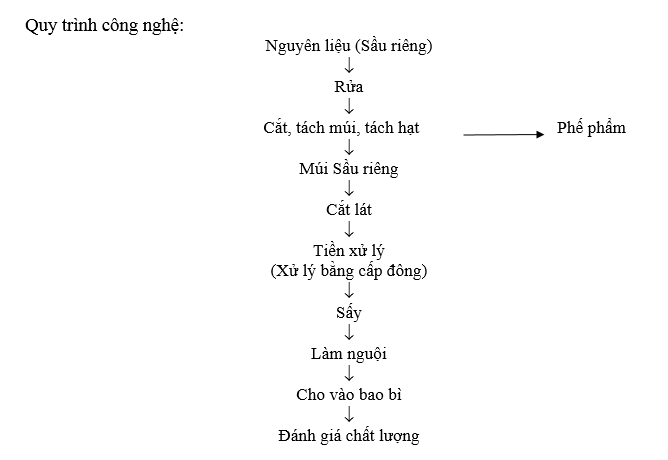
General Processing Flow for Freeze-Dried Durian
Freeze-Dried Products Elevate Agricultural Value
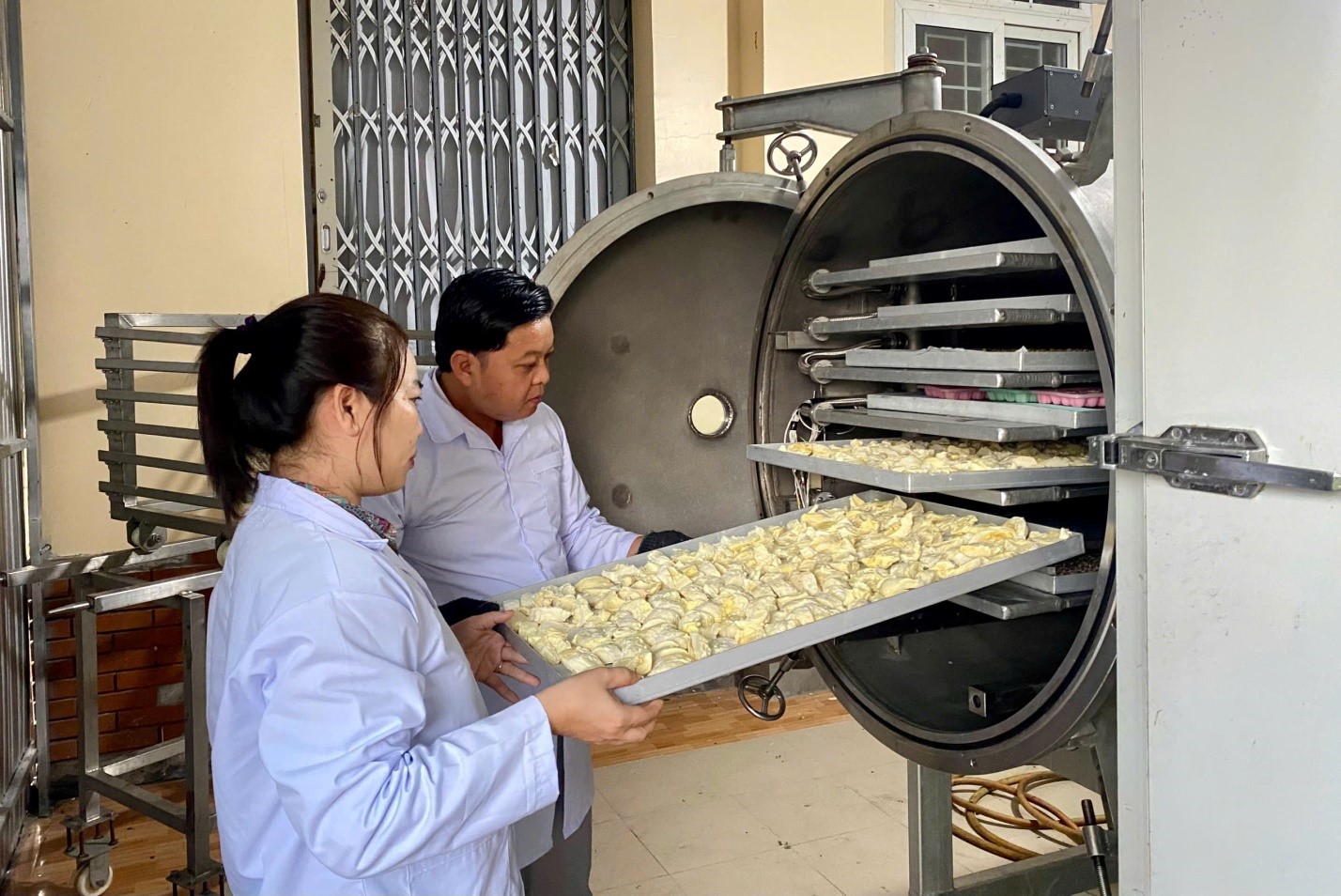
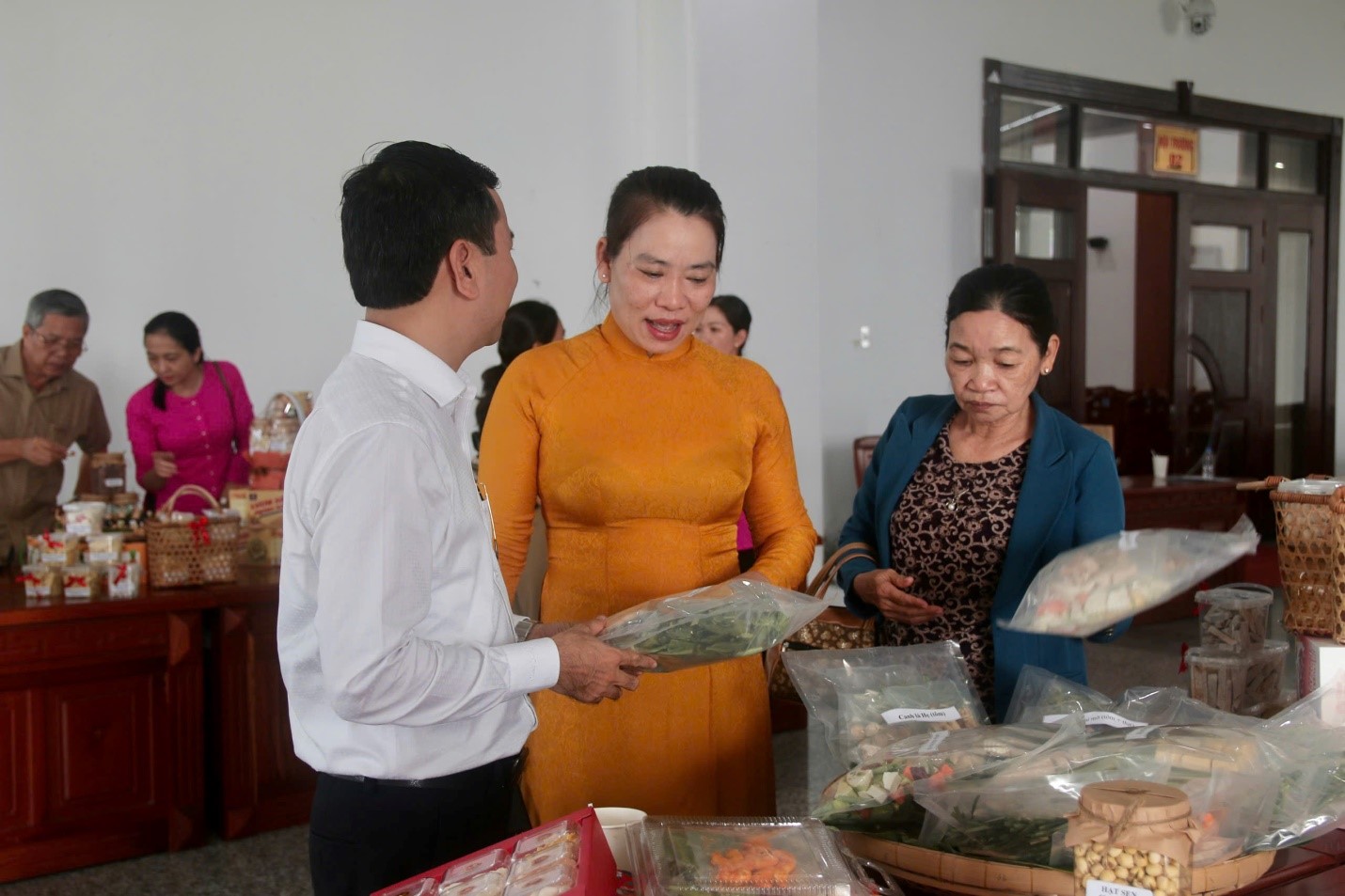
Freeze-drying technology provides valuable opportunities for organizations, cooperatives, cooperative groups, enterprises, and individuals engaged in the production and commercialization of key local agricultural products to diversify their product portfolios and increase product value.
Facilitating Access to Advanced Technology
The transfer of modern freeze-drying technology suitable for small- and medium-scale operations enables organizations, cooperatives, businesses, and individuals to access innovative processing solutions.
Technical support can include:
- Equipment operation training
- Maintenance guidance
- Product quality control procedures
- Production process optimization
Enhancing Agricultural Processing and Preservation Capacity
The adoption of freeze-drying technology helps processing units:
- Efficiently utilize seasonal agricultural resources
- Reduce post-harvest losses
- Produce high-value products
- Extend product shelf life
- Improve overall processing efficiency
Promoting Sustainable Production and Business Development
Freeze-drying technology contributes to:
- Increasing producers’ incomes
- Creating stable local employment opportunities
- Strengthening local agricultural value chains
- Encouraging the adoption of modern and environmentally friendly production models
- Supporting sustainable agricultural development
Supporting OCOP Products and Regional Specialties
The technology encourages OCOP (One Commune One Product) producers and local specialty product manufacturers to invest in deep-processing solutions, creating products with attractive packaging, superior quality, and compliance with domestic and international market standards.
By enhancing product quality and competitiveness, freeze-drying can significantly improve the commercial potential of regional specialties.
Strengthening Trade Promotion and Brand Development
Freeze-dried products can be promoted and distributed through multiple channels, including:
- E-commerce platforms
- Trade fairs and exhibitions
- Supermarkets and retail chains
- International markets
These efforts contribute to strengthening the reputation and market position of local agricultural brands while showcasing the unique characteristics of regional agricultural products through high-quality, value-added offerings.
In conclusion, freeze-drying technology represents a strategic solution for enhancing the value of agricultural products, reducing post-harvest losses, supporting sustainable development, and increasing the competitiveness of local specialties in both domestic and international markets.
Ngày đăng: 24-05-2026
Tác giả: Trung tâm ứng dụng