
For Mekong Delta agricultural produce, this requirement necessitates quality improvements right at the raw material sourcing stage. Production processes must be standardized—encompassing the control of inputs, management of cultivation areas, harvesting, and preliminary processing—while ensuring that essential information can be verified when products reach the market.
In particular, environmental requirements are increasingly becoming a crucial criterion in agricultural trade. Reducing emissions, utilizing resources efficiently, minimizing waste, and adopting green production models not only meet market demands but also contribute to enhancing the sustainability of the agricultural sector.
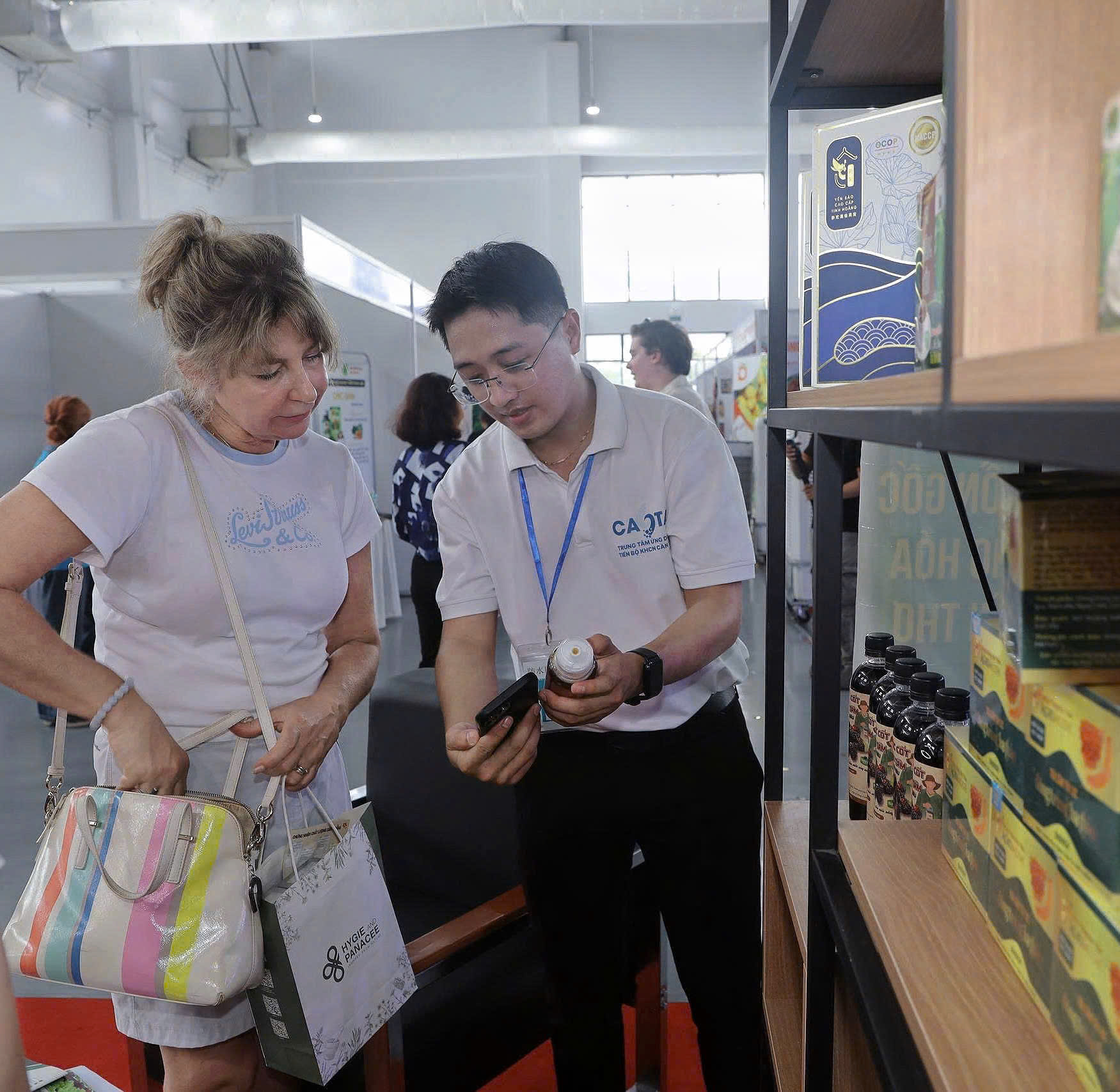
Through the technology supply-demand matching activities at the seminar, the scientific and technological solutions introduced aim not only to address immediate production needs but also to build long-term capacity for key commodities and OCOP products in Can Tho City specifically, and the Mekong Delta region generally.
In this context, meeting international standards should be viewed not merely as a "technical barrier," but as a driving force for Mekong Delta agriculture to transform its production methods toward professionalism, transparency, and sustainability. By integrating standards with technology, data, and value chain management, Mekong Delta agricultural products will gain a stronger foundation to enhance their value, build market trust, and gradually assert their position in both domestic and international markets.
Ngày đăng: 17-06-2026
Tác giả: TTUD